Overview
Becoming a professional operator of tractors, loaders, excavators, or bulldozers in Moscow combines practical skills, certified training, safety knowledge, and ongoing professional development. This guide explains the usual steps, what training and documents to expect, safety essentials, and career-development paths specific to the Moscow market.
Who needs certification
— Operators of self-propelled construction and agricultural machines (тракторы, экскаваторы, бульдозеры, фронтальные погрузчики) working on construction sites, farms, municipal services, and industrial facilities.
— Employers typically require a formal qualification certificate/удостоверение and proof of medical fitness.
— Foreign citizens must also have the appropriate work permit and document recognition.
Typical pathway to certification
1. Choose a specialization (e.g., excavator, bulldozer, loader, tractor).
2. Enroll in an accredited training program (professional retraining or qualification course).
3. Complete theoretical classes: machine types, controls, work techniques, rules of safe operation, regulations.
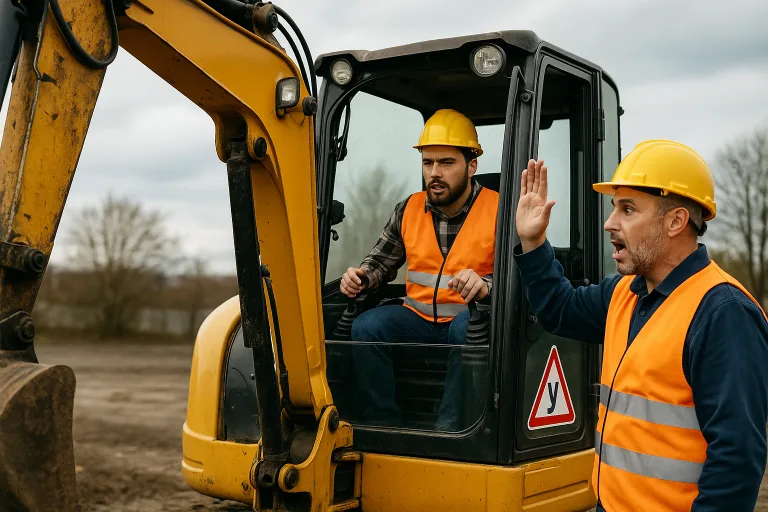
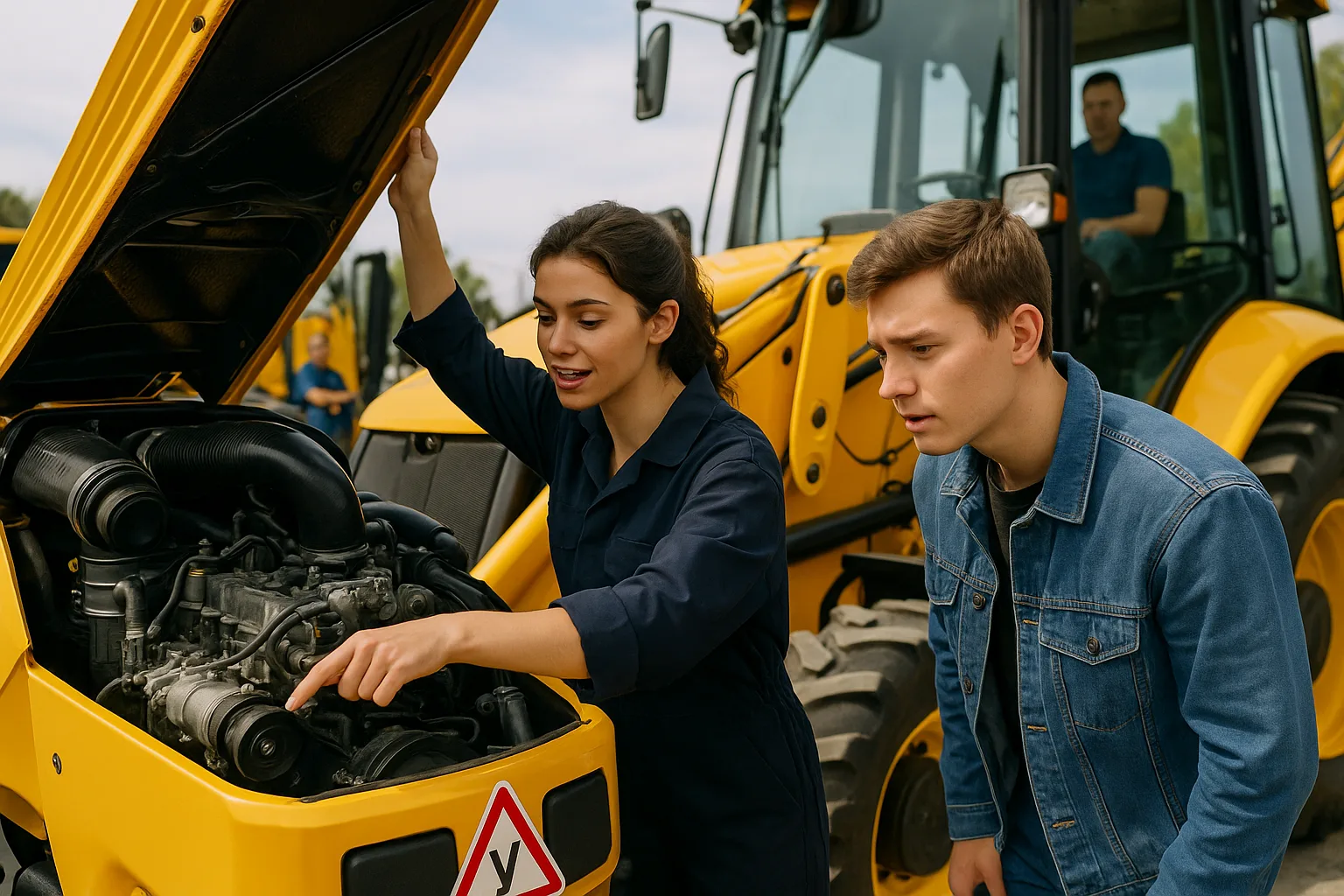
4. Complete practical training: supervised machine hours, maneuvers, site operations, emergency procedures.
5. Pass examinations — written/theoretical and practical-driving tests — and receive an operator certificate/удостоверение.
6. Pass mandatory medical fitness check and provide required identification documents to the training provider/employer.
7. Start work under supervision; gain experience hours toward higher qualification categories.
Training formats and duration
— Short courses (intensive): 2–12 weeks — aimed at adults already working in related fields who need the operator certificate quickly.
— Vocational programs/college courses: several months to a year — deeper technical knowledge and stronger career foundation.
— On-the-job training and simulator-based modules supplement practical skill-building.
— Typical costs in Moscow vary widely — from roughly 15,000 to 60,000 RUB for basic operator courses, depending on equipment access and accreditation.
Required documents & medical checks
— Passport (ID) and, for foreigners, work permit/visa and document recognition as required.
— Medical certificate confirming fitness for work with heavy machinery (vision, hearing, cardiovascular, neurologic screening; drug/alcohol testing as required by employer or law).
— Certificates of prior education or professional training if applicable.
— Exact requirements vary by training center, employer, and current legislation — confirm before enrollment.
Safety essentials every operator must know
— Pre-shift inspection checklist: brakes, hydraulics, lights, tires/tracks, fluid levels, attachments.
— Personal protective equipment (PPE): helmet, safety boots, high-visibility vest, hearing protection, gloves.
— Load limits, stability and tipping risks, correct attachment use.
— Site communication: signals, radios, spotter procedures, exclusion zones.
— Lockout/tagout and safe maintenance/repair procedures.
— Emergency response: spill control, fire extinguisher location, evacuation routes and first aid.
— Fatigue management and strict alcohol/drug zero-tolerance.
Choosing a training provider in Moscow — checklist
— Official accreditation and registration with relevant Russian authorities.
— Curriculum that includes both theory and hands-on hours on the actual machine type.
— Modern equipment and, ideally, simulators for risk-free practice.
— Experienced instructors with documented operator and teaching experience.
— Positive reviews and demonstrable job placement or employer partnerships.
— Clear exam and certification process; assistance with required medical checks and document processing.
Career progression and ways to increase earnings
— Gain experience hours and obtain higher qualification categories for more complex machines.
— Cross-train on multiple types: adding excavator, loader, and bulldozer qualifications raises employability.
— Learn basic machine maintenance/diagnostics — many employers value operators who can perform first-line repairs.
— Move into supervisory roles: foreman, site safety officer, instructor at a training center.
— Work for large construction firms, municipal services, oil & gas or mining contractors — higher pay and more stable schedules.
— Start a contracting business or equipment rental operation once you have experience, contacts, and appropriate licenses/insurance.
Typical pay ranges in Moscow (approximate)
— Entry-level operator: ~40,000–60,000 RUB/month.
— Mid-level operator (certified, several years’ experience): ~60,000–110,000 RUB/month.
— Highly experienced specialists or shift work on major projects: ~100,000–180,000+ RUB/month.
(Note: actual wages depend on employer, machine type, shift schedule, and project complexity.)
Ongoing compliance and refresher training
— Many employers and regulations require periodic retraining, safety refreshers, and reassessment. Frequency may vary — commonly every 1–5 years.
— Keep records of hours, certificates, medical checks, and safety training for inspections and job applications.
Practical tips for fast entry and long-term success
— Start with a machine