Professional Training and Licensing for Heavy Machinery Operators in Moscow
Operating tractors, loaders, excavators, and bulldozers demands solid training, strict safety discipline, and continual professional development. In Moscow, the construction, municipal services, and logistics sectors constantly need qualified operators. This guide explains how to get trained and certified, what safety and legal steps to follow, and how to develop a stable career in special equipment operation.
1. What certification and permits are needed (overview)
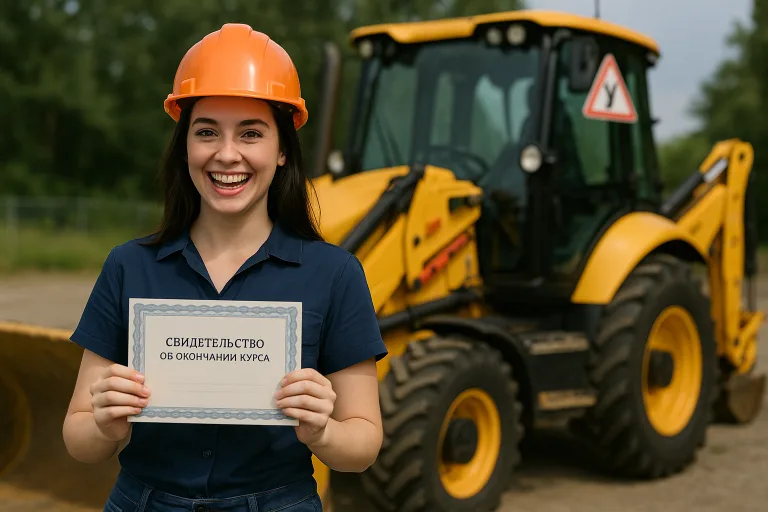
— In Russia, operators must complete professional training and receive official qualification documents (often called удостоверение машиниста/тракториста-машиниста or certificates of qualification).
— Some types of equipment (e.g., tower cranes, hoisting mechanisms) are subject to additional licensing or oversight; for general earthmoving machinery, certification is issued by accredited training centers and documented by an operator’s qualification card.
— Employers usually require a medical fitness certificate (медицинское заключение) and training in occupational safety (инструктаж по охране труда).
Note: requirements may vary by employer and by specific machine class—always confirm current rules with a training center and your future employer.
2. Types of training programs available in Moscow
— Short courses / entry-level training: basic operation, safety, and practical hours for a single machine type (2–6 weeks typical).
— Professional retraining (профессиональная переподготовка): longer courses that grant a formal qualification for new specialties (1–4 months depending on intensity).
— Advanced courses and continuing education (повышение квалификации): refreshers, safety renewals, and specialization (e.g., working in confined spaces, winter operation).
— Simulator-based training: useful for initial skills and safety scenarios without wear on real machines.
— Employer-sponsored training and apprenticeship: on-the-job mentoring combined with formal certification.
3. Typical course curriculum
— Theory: machine construction and systems, operating principles, load calculations, regulations and documentation.
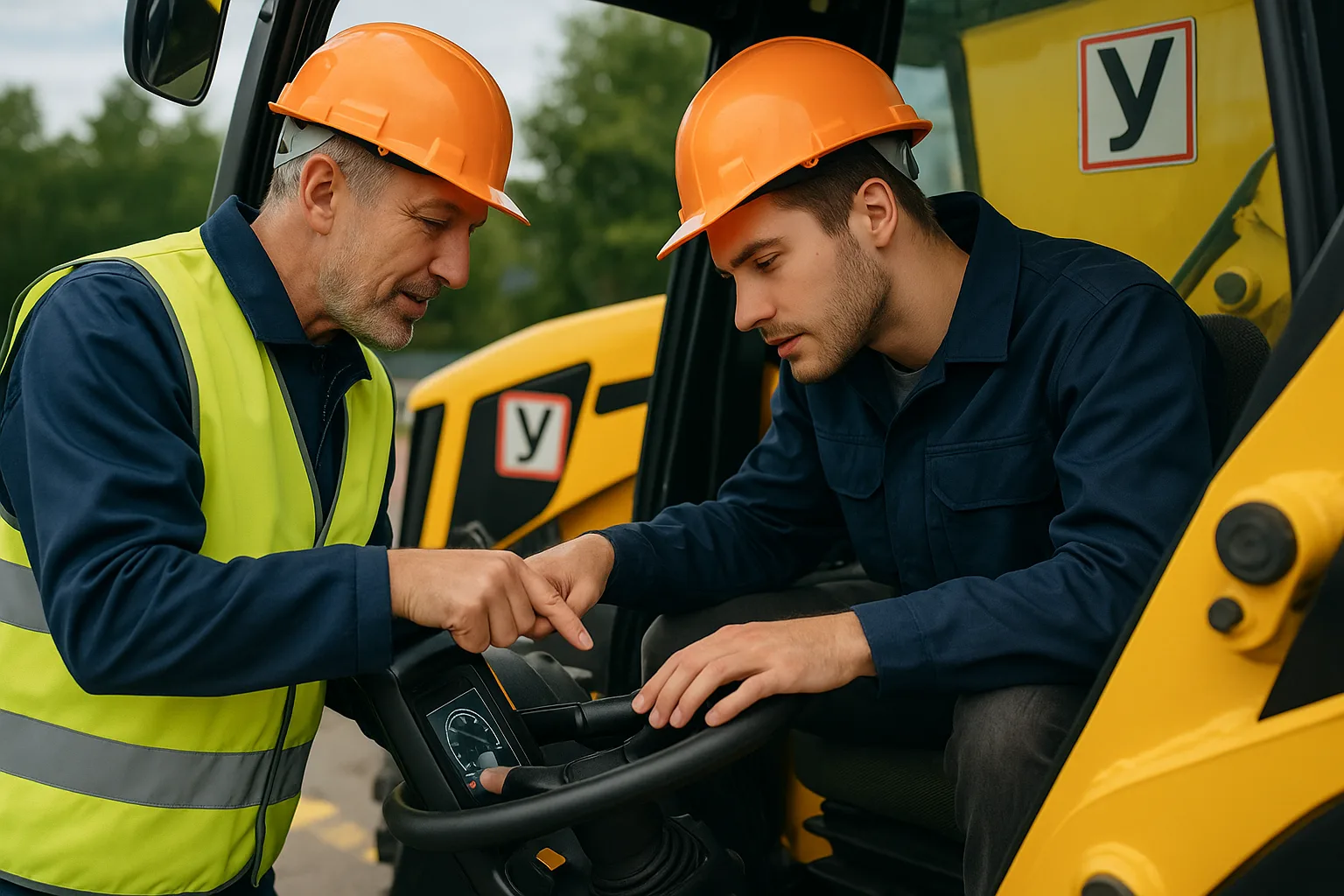
— Practical: start-up/shutdown routines, maneuvers, earthmoving tasks, precision work, daily maintenance checks.
— Safety: PPE, hazard assessment, fire safety, first aid, signalling and communication on-site.
— Exams: theoretical test and supervised practical assessment to receive qualification.
4. Safety essentials for heavy machinery operation
— Always conduct pre-shift inspections (visual checks, fluids, controls, safety devices).
— Use appropriate PPE: helmet, safety boots, high-visibility vest, hearing and eye protection.
— Observe workplace boundaries, load limits, and prescribed lifting/terrain procedures.
— Communicate clearly with spotters and other crew (use standardized hand signals and radios).
— Be especially cautious in Moscow conditions: frozen/unpredictable ground in winter, urban utility lines, dense traffic, and limited working space.
— Maintain machine maintenance logs and report any faults immediately.
5. Career development pathway
— Entry-level operator → experienced operator (multi-machine skills) → foreman/site supervisor → training instructor/safety specialist → equipment fleet manager.
— Specialize to increase pay: mastering multiple machine types (excavator + loader), working night shifts, or obtaining additional certifications (e.g., working with attachments, road construction equipment).
— Consider complementary skills: basic mechanical maintenance, diagnostics, welding, GPS/grade control systems, and familiarity with construction drawings.
— Networking: join unions or professional communities, attend job fairs, and connect with major Moscow contractors and municipal departments.
6. Choosing a training center in Moscow
Look for:
— Official accreditation and up-to-date curriculum.
— Experienced instructors with real-field background.
— Practical training on modern and well-maintained equipment; access to simulators is a plus.
— Clear information on course duration, exam format, and documentation provided.
— Employment assistance or contacts with local employers.
— Transparent pricing and reviews from previous students.
Questions to ask the center:
— Are your certificates recognized by employers in Moscow?
— How many practical hours are included?
— Who conducts the final assessment and how often are courses run?
— What medical exams or preliminary paperwork are required?
7. Typical duration and cost (estimates)
— Duration: basic courses — 2–6 weeks; retraining/professional programs — 1–4 months; refresher courses — 1–5 days.
— Cost: depends on program and equipment used. Expect a broad range—budget courses from several tens of thousands of rubles to more comprehensive retraining programs that cost higher. Confirm current prices with centers.
8. Documents and practical steps to start
1. Choose a reputable accredited training center.
2. Undergo required preliminary medical examination (медосмотр).
3. Enroll and complete theoretical and practical training.
4. Pass exams to receive the operator qualification certificate/удостоверение.
5. Keep safety training and medical checks up to date; attend refreshers as required.
9. Practical tips for success
— Start with one machine type, then expand your qualifications—multi-skilled operators are in demand.
— Keep a personal log of hours and tasks performed—useful for job applications and career progression.
— Prioritize safety and reliability—good safety record and punctuality often lead to steady employment and higher pay.
— Learn seasonal and urban operation nuances (snow removal, road repairs, restricted working hours