Introduction
Operating heavy machinery—tractors, loaders, excavators, bulldozers—requires more than strength and coordination. In Moscow’s fast-paced construction and infrastructure environment, formal training, certified licensing, and strict safety practices are essential. This article outlines how to become a qualified operator in Moscow, what training and certification usually involve, safety essentials, and practical advice for developing a long-term career.
Why formal training and licensing matter
— Ensures compliance with Russian regulatory requirements and employer policies.
— Reduces risk of accidents, equipment damage, and downtime.
— Improves employability and earning potential in Moscow’s competitive market.
— Builds a foundation for specialized roles (maintenance, supervision, fleet management).
Typical pathway to become a licensed heavy machinery operator
1. Research and choose an accredited training provider in Moscow (see selection tips below).
2. Complete a medical examination and obtain a fitness certificate (proof of fitness to operate heavy machinery).
3. Enroll in a course specific to the equipment type (tractor, loader, excavator, bulldozer).
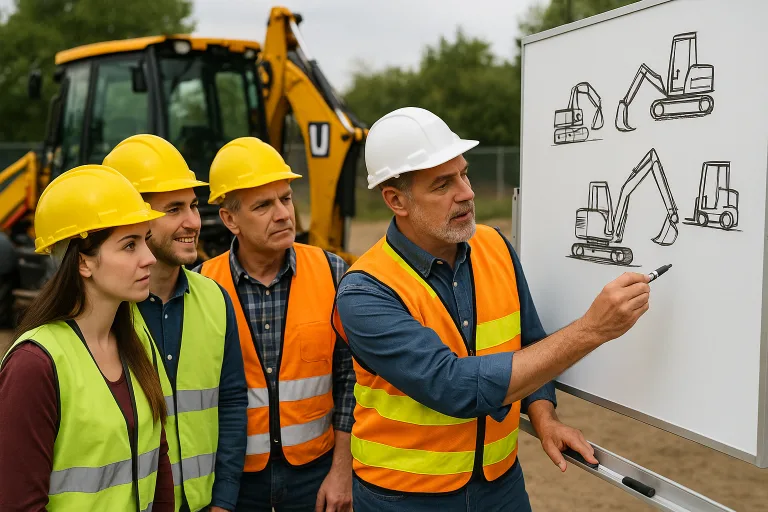
4. Study theory: machine mechanics basics, controls, road and on-site rules, safety regulations, signals.
5. Complete practical training hours on representative equipment under instructor supervision.
6. Pass theory and practical exams administered by the training center or a regional technical supervision authority; receive the operator’s certificate/attestation.
7. Start as a junior operator or trainee on real jobs with on-the-job mentoring; pursue periodic retraining as required.
Note: Duration of courses ranges from a few weeks to several months depending on intensity and level (basic vs. advanced). Costs vary by provider and equipment type.
What good training programs include
— Accreditation and clear certification issued upon passing exams.
— Qualified instructors with field experience.
— Modern, well-maintained training fleet that matches real workplace models.
— Balanced theory and hands-on practice; transferable skill emphasis.
— Focused modules on safety, risk assessment, and emergency response.
— Job placement assistance or employer connections in Moscow’s market.
Licensing and regulation (practical overview)
— Operators must receive formal attestation/certification from accredited training organizations or relevant authorities.
— Employers frequently require an official operator’s certificate and a medical fitness certificate.
— Periodic retraining and recertification are common—stay current with legal and safety updates.
— For high-risk environments (underground works, petrochemical sites, airports), additional permits or employer-specific training may be required.
Because regulations and administering bodies can change, confirm exact legal requirements with the training center, your employer, or local regulatory offices in Moscow before enrolling.
Essential safety practices every operator must know
— Conduct pre-shift inspections: fluid levels, hoses, lights, brakes, tracks/wheels.
— Use appropriate PPE: helmet, high-visibility clothing, steel-toe boots, gloves, hearing protection.
— Follow manufacturer load charts and never exceed rated capacities.
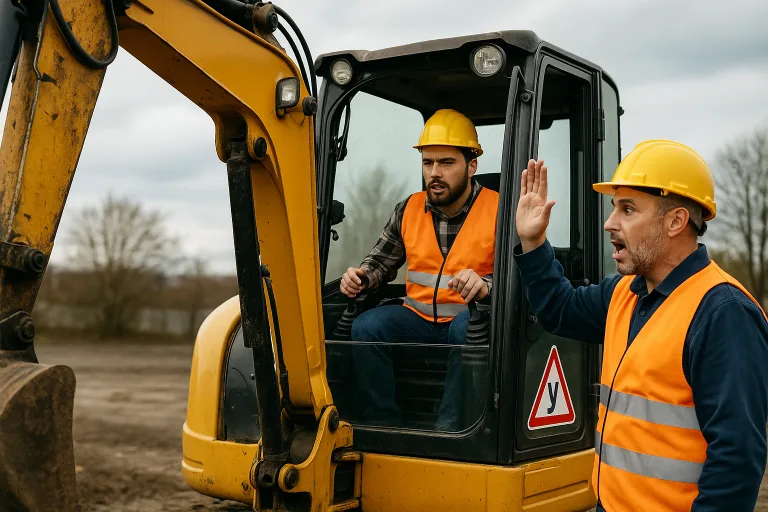
— Maintain clear communication: standard hand signals, radios, spotters for blind spots.
— Implement lockout/tagout procedures during maintenance.
— Be trained in basic first aid and emergency evacuation.
— Respect site safety plans, barricades, and exclusion zones.
— Adjust operations for weather, visibility, and ground conditions.
— Report defects or near-misses immediately—safety improvements often come from frontline feedback.
Career development and specialization
— Cross-train on multiple machine types to increase employability (e.g., excavator + loader).
— Learn preventive maintenance and basic diagnostics—operators who can maintain machines are more valuable.
— Obtain advanced certifications: hydraulic systems, electronic diagnostics, GPS/telematics operation.
— Move up to senior operator, shift supervisor, fleet manager, or instructor roles.
— Consider entrepreneurship: equipment rental, subcontracting, or owning a small fleet for specialized tasks.
— Stay current with digital skills: telematics, machine-control systems, and remote operation trends.
Finding work in Moscow
— Major employers: construction contractors, infrastructure projects (metro, roads), utilities, rental companies, municipal services.
— Use local job boards (e.g., hh.ru), staffing agencies, and direct applications to construction firms.
— Attend local industry events and trade shows to network.
— Leverage training center job-placement services and alumni networks.
Choosing the right Moscow training center — quick checklist
— Accredited by relevant Russian authorities and issues recognized certificates.
— Clear curriculum and transparent pricing.
— Experienced instructors and visible student outcomes.
— Real equipment for practice and safe training facilities.
— Good reviews, employer partnerships, and job placement support.
— Offers periodic refresher courses and advanced modules.
Final recommendations
— Prioritize accredited training and a medical fitness check before seeking employment.
— Treat safety and continuous learning as career constants—not optional extras.
— Start with one machine type, then broaden skills to increase opportunities across Moscow’s large construction and infrastructure market.
— Keep documentation up to date and keep copies of certificates, medical forms, and employer attestations.
Becoming a competent heavy machinery operator in Moscow takes structured training, strict attention to safety, and ongoing skill development. Invest in quality education and practical experience—your reliability, safety record, and breadth of skills will shape a stable, advancing career in this essential field.