Introduction
Operating heavy equipment — tractors, loaders, excavators, bulldozers and other special machinery — is a skilled profession that combines technical knowledge, strict safety discipline, and hands-on experience. In Moscow’s construction, utilities and industrial sectors, well-trained operators are in steady demand. This article explains the typical training and licensing path, how to choose a good training center in Moscow, safety essentials, and ways to grow your career.
Who needs certification
If you operate or plan to operate:
— Tractors and agricultural machinery
— Wheel or track loaders
— Crawler and hydraulic excavators
— Bulldozers and graders
you will usually need a state-recognized operator certificate or license and employer-specific authorization. Requirements vary by machine type and employer, so always confirm with local authorities or the hiring company.
Typical training and licensing pathway (Moscow context)
While exact procedures differ by program and regulator, most steps include:
— Eligibility: usually a minimum age (commonly 18+) and basic literacy.
— Medical clearance: a health check to confirm physical fitness for safe operation.
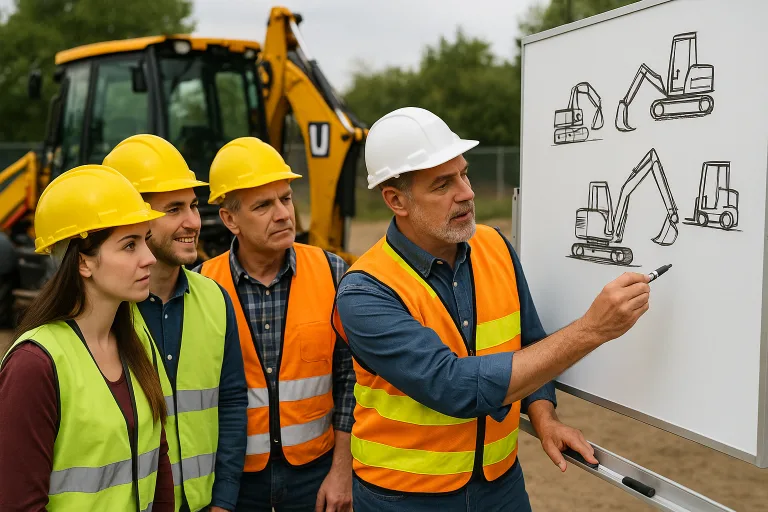
— Theoretical training: principles of machine operation, mechanics, load charts, signals, rules of the road and site, safety regulations.
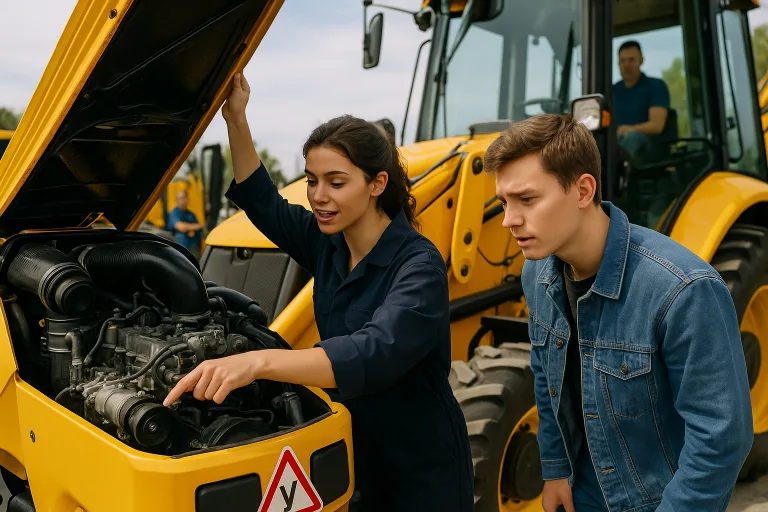
— Practical training: hands-on operation under instructor supervision — real machines and/or simulators.
— Assessment and exam: practical skills test and theoretical exam administered by an accredited body or training center.
— Certification: issuance of a certificate or operator’s card accepted by employers; periodic renewal or continuing education may be required.
*Always verify the exact legal or regulatory requirements with the training provider or municipal authorities in Moscow before enrolling.*
Choosing a reputable Moscow training center
Select a school that offers:
— Accreditation or recognition by relevant authorities.
— Modern equipment and well-maintained machinery for practice.
— Experienced instructors with real field experience.
— Clear curriculum and transparent costs (tuition, exam fees, renewal).
— Positive employer connections and job placement assistance.
— Safety-first culture and up-to-date training in regulations and PPE.
Ask for references, visit the facility, and confirm whether their certificate is widely accepted by Moscow contractors and municipal employers.
Core curriculum and competencies
A strong program will cover:
— Machine controls, hydraulics and basic troubleshooting.
— Safe operating techniques for each machine type.
— Load handling, stability, and ground recognition.
— Pre-shift inspections and routine maintenance basics.
— Site communication, hand signals and radio protocol.
— Risk assessment, emergency shutdown procedures and first aid basics.
— Documentation: work logs, maintenance records and incident reporting.
Safety and legal responsibilities
Safety is non-negotiable. Operators must:
— Wear appropriate PPE (helmets, hi-vis, protective footwear, hearing and eye protection).
— Conduct pre-operation checks and refuse unsafe machines.
— Follow site-specific traffic patterns and exclusion zones.
— Communicate clearly with spotters and teams.
— Report defects and incidents promptly.
— Keep certifications and medical checks up to date.
Employers in Moscow expect operators to understand both technical safety and workplace legal responsibilities. Regular drills and refreshers help maintain competence.
Career development and progression
Paths and ways to increase earning potential:
— Gain multi-machine endorsements to be more versatile.
— Specialize in high-demand equipment or attachments (piling rigs, asphalt pavers, demolition equipment).
— Move into supervisory roles: site foreman, trainer, safety officer.
— Learn maintenance and diagnostics to combine operation and service skills.
— Pursue advanced courses in fleet management, telematics or heavy-equipment logistics.
— Network with contractors and unions; practical experience and a strong safety record accelerate promotion.
Job market and practical tips for Moscow
— Demand: construction, infrastructure upgrade projects and municipal works often need certified operators.
— Preparation tips:
— Get as many supervised hours as possible before job hunting.
— Keep a clear, updated log of machines and hours operated.
— Learn site terminology and Russian operational commands if you’re a non-native speaker.
— Consider simulator training to accelerate skill-building safely.
— Maintain a clean safety record and bring references from instructors or employers.
Next steps
— Research accredited training centers in Moscow and compare programs and schedules.
— Prepare required documents (ID, medical certificate).
— Visit facilities, ask about pass rates and employer recognition.
— Plan for continued learning and renewals to keep your certification current.
Conclusion
Becoming a certified heavy machinery operator in Moscow combines structured training, verified health and safety competence, and practical experience. Choose an accredited school, prioritize safety and maintenance knowledge, and build a record of reliable, skilled operation — these are the foundations for a long, well-paid career in the special equipment sector.